Materia Medica
The Homeopathic Materia Medica is at the heart of homeopathy. There is a vast selection of Materia Medica books available covering all of the homeopathic remedies, and we endeavour to keep this selection up to date with new books as they appear.
The 'Contents' pages tab of each book should show which remedies are included (go into individual product to view this), but if you cannot find the information you need, then please get in touch with us. We are always happy to help you find the right book for you. Our excellent customer service is something we are very proud of.
-
 Arriving Soon - Available to Friday 26th September
Materia Medica of Homoeopathic Medicines
-
 In Stock
Desktop Guide to Keynotes and Confirmatory Symptoms
-
 In Stock
Prisma Reference
-
 In Stock
Concordant Reference (2nd Edition)
-
 Arriving Soon - Available to Order
Synoptic Reference 1
-
 In Stock
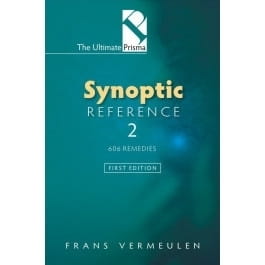
Synoptic Reference 2 - SPECIAL LOW PRICE **
-
 In Stock
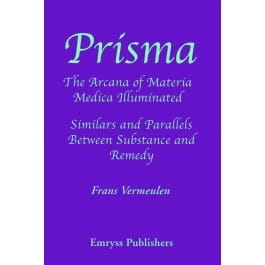
Prisma
-
 In Stock
Synoptic Materia Medica 2: The Complement to Prisma
-
 Arriving Soon - Available to Order
Remedy Notes 1
-
 In Stock
Remedy Notes 2
-
 In Stock
A First Materia Medica for Homoeopathy (A Self Directed Learning Text)
-
 In Stock
A Synoptic Key of the Materia Medica (A Treatise for Homeopathic Students)
What Are Materia Medica Books?
Materia Medica books are essential reference works within the study of homeopathy, providing detailed information about individual homeopathic remedies, their characteristic symptoms, traditional indications, and distinguishing features. These books form an important part of homeopathic education, helping students and practitioners explore the extensive range of substances used in homeopathic preparations.
The term materia medica comes from Latin and means "medical material". Historically, it referred to the study of substances used in medicine. Within homeopathy, materia medica books focus on remedy descriptions developed through homeopathic provings, traditional literature, and reported clinical observations.
Whether you are beginning your homeopathic studies or expanding an established reference library, a comprehensive materia medica provides a valuable foundation for understanding homeopathic remedy pictures and their place within traditional prescribing theory.
Why Are Materia Medica Books Important in Homeopathy?
Materia medica is one of the central subjects studied in classical homeopathy. While a repertory organises symptoms and lists remedies traditionally associated with them, a materia medica provides a more detailed description of each individual remedy.
Homeopathic practitioners consult materia medica books to explore the characteristics associated with remedies, compare similar remedy pictures, and investigate information identified through repertorisation.
Depending on the author and publication, these books may include:
- Mental and emotional characteristics associated with remedies
- Physical symptoms organised by body system
- General symptoms and modalities
- Keynotes and characteristic remedy features
- Remedy relationships and comparisons
- Historical information about remedy sources
- Homeopathic proving records and traditional observations
- Discussions of constitutional prescribing
Different authors approach materia medica in different ways, making it useful to consult several reference works when researching a particular remedy.
Classical Materia Medica Books
Classical materia medica books provide an important foundation for understanding the history and development of homeopathic literature. Many of these texts were written during the nineteenth and early twentieth centuries and continue to be studied by homeopathy students and practitioners.
Influential classical authors include Samuel Hahnemann, James Tyler Kent, Constantine Hering, William Boericke, John Henry Clarke, and Cyrus Maxwell Boger.
Some of the most recognised classical materia medica titles include:
- Pocket Manual of Homeopathic Materia Medica by William Boericke: A widely used reference containing concise remedy descriptions and traditional homeopathic indications.
- Lectures on Homeopathic Materia Medica by James Tyler Kent: A detailed exploration of remedy characteristics presented through Kent's distinctive teaching style.
- The Guiding Symptoms of Our Materia Medica by Constantine Hering: An extensive historical reference documenting symptoms and observations associated with homeopathic remedies.
A Dictionary of Practical Materia Medica by John Henry Clarke: A comprehensive work presenting detailed remedy information, clinical observations, and traditional prescribing references.
These publications remain important resources for readers studying classical homeopathic theory and the historical development of materia medica.
Modern Materia Medica Books and Contemporary Authors
Alongside classical reference works, modern materia medica books offer different perspectives on remedy study, classification, and comparison. Contemporary authors have developed approaches that explore remedy families, thematic relationships, source materials, and detailed case observations.
Well-known contemporary authors include George Vithoulkas, Frans Vermeulen, Robin Murphy, Roger Morrison, and Rajan Sankaran.
Popular modern materia medica publications include:
- Materia Medica Viva by George Vithoulkas: An extensive multi-volume work exploring homeopathic remedy pictures in considerable detail.
- Nature's Materia Medica by Robin Murphy: A comprehensive reference bringing together traditional and contemporary homeopathic remedy information.
- Prisma: The Arcana of Materia Medica Illuminated by Frans Vermeulen: A distinctive reference combining materia medica with information about remedy origins, natural history, chemistry, folklore, and mythology.
- Desktop Guide to Keynotes and Confirmatory Symptoms by Roger Morrison: A practical reference focusing on characteristic remedy features and differentiation.
These books can complement classical texts by introducing additional ways of organising and interpreting homeopathic remedy information.
How to Choose the Best Materia Medica Book
Choosing the right materia medica book depends on your experience, preferred learning style, and the level of detail you require.
For beginners, a concise materia medica with clearly organised remedy descriptions can provide an accessible introduction to commonly studied remedies. Books that highlight keynotes and characteristic symptoms may be particularly useful when learning homeopathic terminology.
For homeopathy students, more detailed references can support coursework and provide opportunities to compare the approaches of different authors. A combination of classical and contemporary texts can offer a broader understanding of homeopathic literature.
For experienced practitioners, comprehensive materia medica volumes, specialist remedy studies, and advanced comparative works can provide additional material for professional research and ongoing education.
When selecting a book, consider whether you prefer brief remedy summaries, extensive descriptions, comparative analysis, or information about remedy sources and classifications.
What Is the Difference Between Materia Medica and a Homeopathic Repertory?
Although materia medica books and repertories are closely related, they serve different purposes within traditional homeopathic study.
A homeopathic materia medica is organised primarily by remedy. Each entry describes the symptoms, characteristics, and observations traditionally associated with a particular substance.
A homeopathic repertory is organised primarily by symptoms. It allows readers to look up a symptom or characteristic and identify the remedies listed under the corresponding rubric.
For example, someone researching a particular symptom might begin with a repertory to identify relevant remedy entries before consulting materia medica to study those remedies in greater detail.
Both types of reference work are commonly used together in homeopathic education and traditional case analysis.
Specialist Materia Medica Books and Remedy Families
Beyond general reference works, specialist materia medica books focus on particular remedies, groups of substances, or methods of classification.
These publications may explore plant remedies, mineral remedies, animal remedies, nosodes, sarcodes, or individual remedy families. Some authors examine relationships between remedies based on their natural origins, while others focus on recurring themes or characteristics within traditional homeopathic descriptions.
Specialist books can be particularly interesting for readers who already have a foundation in materia medica and wish to investigate a specific area in greater depth.
Explore Our Collection of Materia Medica Books
At Homeopathic Books, we offer a wide selection of Materia Medica books covering classical homeopathic literature, contemporary remedy studies, concise reference guides, and comprehensive multi-volume works.
Whether you are searching for your first homeopathic materia medica, a particular author, or a specialist reference to expand your existing collection, our range includes publications suited to different levels of experience and areas of interest.
Browse our Materia Medica books above to discover established reference works, explore different approaches to remedy study, and find your next addition to a homeopathic library.